
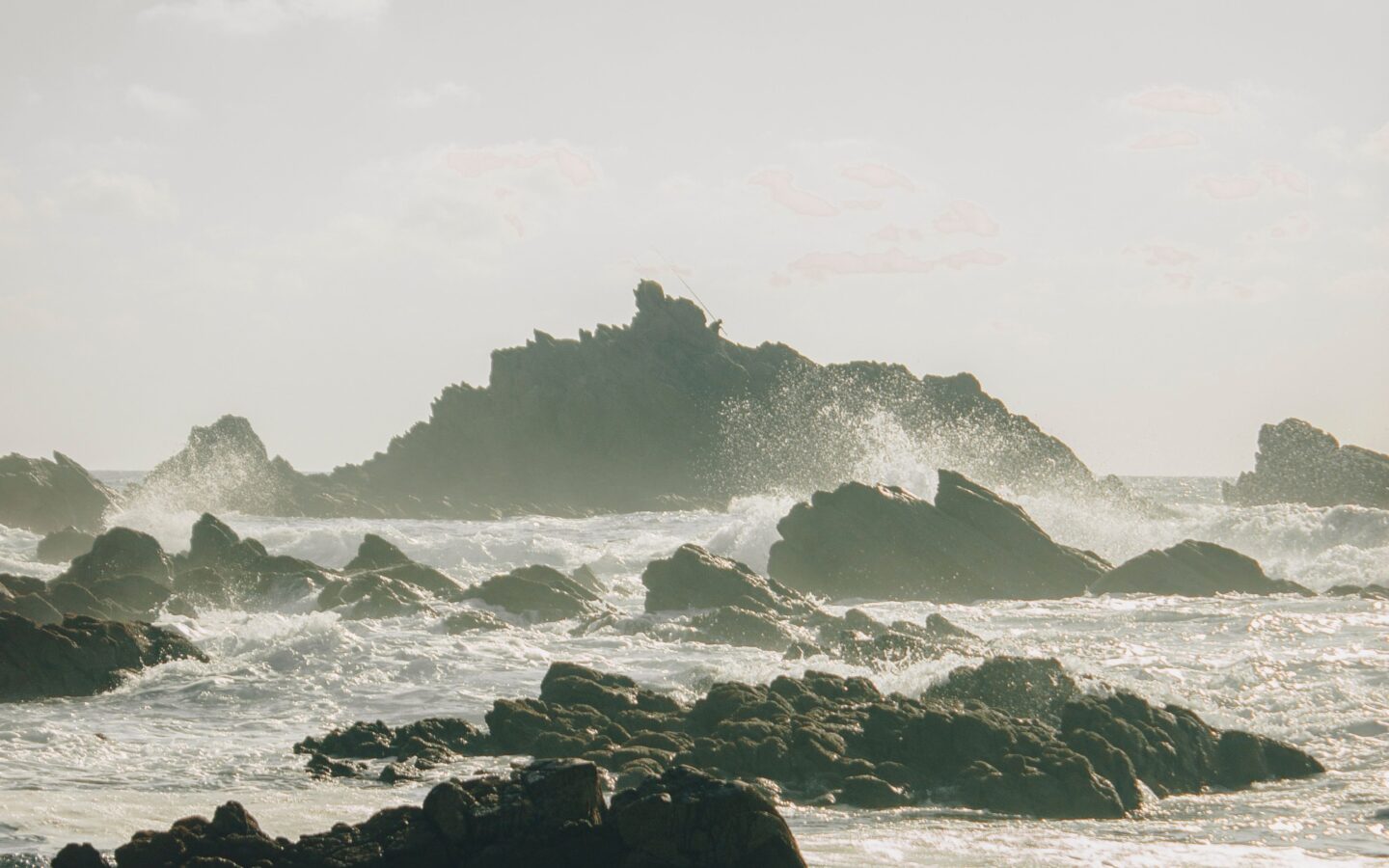
For most travellers, March to May and September to November offer the easiest balance of mild weather, long coastal walks and manageable visitor numbers in Mirleft.
There is no single perfect month. Winter brings stronger Atlantic swell and cooler evenings, summer attracts more domestic holiday traffic, and the shoulder seasons are usually the most flexible for mixed trips. Your best dates depend on whether the priority is surf, beach time, walking or a quiet base on Morocco’s southern coast.
Climate averages describe patterns, not the conditions on a particular day. Check a current forecast, tide information and local ocean advice shortly before every beach or outdoor plan.
Mirleft seasons at a glance
- Best all-round period: March to May and September to November
- Best for experienced surf trips: typically the cooler swell season, with daily conditions assessed locally
- Busiest local holiday period: often July and August
- Coolest evenings: usually December to February
- Useful year-round items: sun protection, a wind layer and shoes with grip
- Always check: forecast, swell, tide, access and road conditions
January and February: quiet coast, stronger ocean
Early in the year, Mirleft is generally quieter than in summer. Days can still be pleasant in the sun, but Atlantic wind, passing rain and cool evenings make layers important. This is not reliable swimming weather, and exposed beaches can feel very different from the town centre.
Surfers may find more energetic swell, but bigger surf does not automatically mean better conditions for every level. Beginners should book qualified local instruction and accept that a lesson may move, change time or be cancelled. Walkers should keep flexible plans for wet paths and strong wind near cliff edges.
March to May: the easiest mixed-season trip
Spring suits travellers who want to combine Mirleft’s centre, Fort Tidli, beaches and regional day trips without planning around the hottest part of the day. The coast often feels mild, while mornings and evenings can still require a light jacket.
It is a useful season for the route between Tiznit, Mirleft, Legzira and Sidi Ifni. Allow a spare day if a coastal walk, surf session or beach visit depends on specific conditions. Holiday periods can still lift demand, so reserve a preferred room rather than assuming every small guesthouse will have space.
June to August: long days and a busier town
The Atlantic moderates Mirleft compared with inland southern Morocco, but strong sun remains the main planning issue. Start walks early, carry more water than you expect to need and leave exposed cliff routes for cooler hours. Coastal mist and wind can appear even when inland areas are hot.
July and August can be lively because Moroccan families travel during the school holidays. Popular beaches and central accommodation may be busier, especially at weekends. The sea is still open Atlantic water: warm air does not make rip currents, shore break or changing swell harmless.
September to November: warm light and flexible days
Autumn is another strong all-round window. September can retain a summer feel, while October and November usually suit walking, road trips and town-and-beach days. Visitor pressure often eases after the main domestic holiday season.
Surf interest rises as the Atlantic becomes more active. Conditions can vary sharply by beach and tide, so use the Mirleft surf guide as preparation and ask a local professional to select the day’s location.
Choose the season by what you want to do
| Trip priority | Most useful period | Planning note |
|---|---|---|
| Walking and sightseeing | March-May; September-November | Carry a wind layer and avoid cliff edges in poor visibility or strong gusts. |
| Quiet stay | Parts of winter and the shoulder seasons | Some services may keep shorter or less predictable hours. |
| Surf-focused trip | Often autumn through early spring | Level, swell, wind and tide matter more than the month alone. |
| Family summer holiday | July-August | Book early, plan shade and never assume a beach is supervised. |
| Road trip | Spring or autumn | Keep daylight for the coastal road and allow time for stops. |
What to book and what to leave flexible
Book limited essentials first: accommodation for the opening nights, airport transport if arriving late and any activity that needs a licensed guide or specialist equipment. Keep individual beach days flexible. A change in swell, wind or tide can make a different cove the sensible choice.
For a short visit, use the three-day Mirleft itinerary. Travellers choosing a base should also read where to stay in Mirleft, because the centre, Aftas and Imin Turga work differently without a car.
Frequently asked questions
What is the best month to visit Mirleft?
April, May, October and November are strong candidates for a mixed trip, but no month guarantees ideal weather or ocean conditions. Choose dates around your main activity and check the forecast close to travel.
Is Mirleft warm in winter?
Sunny winter days can feel mild, while evenings, wind and Atlantic weather can be cool. Pack layers and do not plan on dependable swimming conditions.
Is Mirleft crowded in summer?
July and August can be noticeably busier because they overlap with domestic holidays. Reserve accommodation and expect more activity at the easiest-access beaches.
When is the best surf season?
The more active swell period commonly runs from autumn into early spring. Suitability still depends on the rider, break, tide, wind and the daily assessment of a qualified local professional.
Sources and update note
Seasonal patterns were reviewed on 19 November 2026. Use a live forecast and local safety advice for actual travel dates.
- Magical Mirleft: practical visitor guide — seasonal character and regional planning context
- Where and When: Mirleft climate — monthly climate averages; use as historical guidance, not a forecast
- Explore Mirleft: surfing guide — seasonal surf context and ocean-safety guidance
- Explore Mirleft: beaches guide — access and beach-planning context